
Universal Pipette Tips
Disposable pipette tips designed to fit single and multichannel pipettes from most manufacturers; offer acceptable performance compared to pipette specific tips and can be used with a variety of pipette models.
Single-use universal pipette tips are designed for compatibility with most mechanical and electronic single and multichannel pipettors.
Universal pipette tips are available in a range of types, sizes, colors, styles, and packaging configurations and may be designed for specific purposes or tasks.
- Capacity or volume based on the pipettor size
- Filters to reduce contamination and cross-contamination
- Color
- Sterility or autoclavability
- Tip style: beveled, tapered, wide bore, round, flat, or gel-loading
- Length: short or extended
- Purity: metal-free or DNase-, RNase-, ATP-, Bioburden-, PCR inhibitor-, endotoxin-, or pyrogen-free for genomic and biologic applications
- Surface treatments to reduce retention
- Packaging options to help facilitate re-stocking or eliminate waste

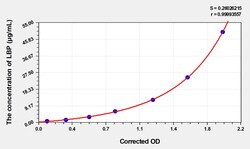
BIOHIPPO Rat LBP Microsample

Rat LBP Microsample ELISA Kit is a Sandwich-based immunoassay designed for the quantitative measurement of LBP in serum plasma and other biological fluids It provides a detection range of 0 78-50 g/mL with a sensitivity of 0 3 g/mL The assay can be completed in approximately 3 5h The procedure follows a The test principle applied in this kit is Sandwich enzyme immunoassay The microtiter plate provided in this kit has been pre-coated with an antibody specific to Rat LBP Standards or samples are added to the appropriate microtiter plate wells then with a biotin-conjugated antibody specific to Rat LBP Next Avidin conjugated to Horseradish Peroxidase (HRP) is added to each microplate well and incubated After TMB substrate solution is added only those wells that contain Rat LBP biotin-conjugated antibody and enzyme-conjugated Avidin will exhibit a change in color

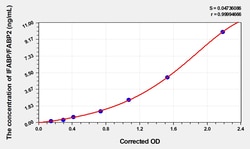
BIOHIPPO Mouse IFABP/FABP2 Microsample
Mouse IFABP/FABP2 Microsample ELISA Kit is a Sandwich-based immunoassay designed for the quantitative measurement of IFABP/FABP2 in Serum plasma tissue homogenates cell lysates cell culture supernates and other biological fluids It provides a detection range of 0 16-10 ng/mL with a sensitivity of 0 056 ng/mL The assay can be completed in approximately 3 5h The procedure follows a The test principle applied in this kit is Sandwich enzyme immunoassay The microtiter plate provided in this kit has been pre-coated with an antibody specific to Mouse IFABP/FABP2 Standards or samples are added to the appropriate microtiter plate wells then with a biotin-conjugated antibody specific to Mouse IFABP/FABP2 Next Avidin conjugated to Horseradish Peroxidase (HRP) is added to each microplate well and incubated After TMB substrate solution is added only those wells that contain Mouse IFABP/FABP2 biotin-conjugated antibody and enzyme-conjugated Avidin will exhibit a change in color
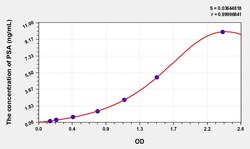
BIOHIPPO Human PSA Microsample
Human PSA Microsample ELISA Kit is a Sandwich-based immunoassay designed for the quantitative measurement of PSA in serum plasma tissue homogenates cell lysates cell culture supernates and other biological fluids It provides a detection range of 0 16-10 ng/mL with a sensitivity of 0 096 ng/mL The assay can be completed in approximately 3 5h The procedure follows a The test principle applied in this kit is Sandwich enzyme immunoassay The microtiter plate provided in this kit has been pre-coated with an antibody specific to Human PSA Standards or samples are added to the appropriate microtiter plate wells then with a biotin-conjugated antibody specific to Human PSA Next Avidin conjugated to Horseradish Peroxidase (HRP) is added to each microplate well and incubated After TMB substrate solution is added only those wells that contain Human PSA biotin-conjugated antibody and enzyme-conjugated Avidin will exhibit a change in color
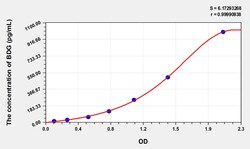
BIOHIPPO Human BDG Microsample
Human BDG Microsample ELISA Kit is a Sandwich-based immunoassay designed for the quantitative measurement of BDG in Serum plasma tissue homogenates and other biological fluids It provides a detection range of 15 63-1000 pg/mL with a sensitivity of 6 4 pg/mL The assay can be completed in approximately 3 5h The procedure follows a The test principle applied in this kit is Sandwich enzyme immunoassay The microtiter plate provided in this kit has been pre-coated with an antibody specific to Human BDG Standards or samples are added to the appropriate microtiter plate wells then with a biotin-conjugated antibody specific to Human BDG Next Avidin conjugated to Horseradish Peroxidase (HRP) is added to each microplate well and incubated After TMB substrate solution is added only those wells that contain Human BDG biotin-conjugated antibody and enzyme-conjugated Avidin will exhibit a change in color
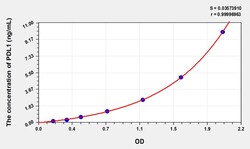
BIOHIPPO Human PDL1 Microsample
Human PDL1 Microsample ELISA Kit is a Sandwich-based immunoassay designed for the quantitative measurement of PDL1 in serum plasma tissue homogenates and other biological fluids It provides a detection range of 0 16-10 ng/mL with a sensitivity of 0 059 ng/mL The assay can be completed in approximately 3 5h The procedure follows a The test principle applied in this kit is Sandwich enzyme immunoassay The microtiter plate provided in this kit has been pre-coated with an antibody specific to Human PDL1 Standards or samples are added to the appropriate microtiter plate wells then with a biotin-conjugated antibody specific to Human PDL1 Next Avidin conjugated to Horseradish Peroxidase (HRP) is added to each microplate well and incubated After TMB substrate solution is added only those wells that contain Human PDL1 biotin-conjugated antibody and enzyme-conjugated Avidin will exhibit a change in color
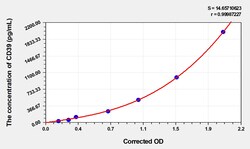
BIOHIPPO Human CD39 Microsample
Human CD39 Microsample ELISA Kit is a Sandwich-based immunoassay designed for the quantitative measurement of CD39 in serum plasma and biological fluids It provides a detection range of 31 25-2000 pg/mL with a sensitivity of 12 3 pg/mL The assay can be completed in approximately 3 5h The procedure follows a The test principle applied in this kit is Sandwich enzyme immunoassay The microtiter plate provided in this kit has been pre-coated with an antibody specific to Human CD39 Standards or samples are added to the appropriate microtiter plate wells then with a biotin-conjugated antibody specific to Human CD39 Next Avidin conjugated to Horseradish Peroxidase (HRP) is added to each microplate well and incubated After TMB substrate solution is added only those wells that contain Human CD39 biotin-conjugated antibody and enzyme-conjugated Avidin will exhibit a change in color
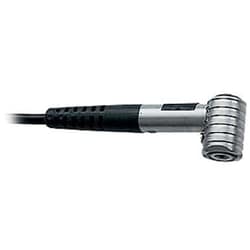
Cole-Parmer 604-178 RIGHT ANGLE,SINGLE TIP
Fischer Technology 604-178 Right angle, single tip, Model FGABW1.3, 0 to 60 mils, for models FMP10
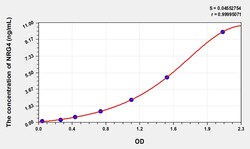
BIOHIPPO Human NRG4 Microsample
Human NRG4 Microsample ELISA Kit is a Sandwich-based immunoassay designed for the quantitative measurement of NRG4 in tissue homogenates cell lysates cell culture supernates and other biological fluids It provides a detection range of 0 16-10 ng/mL with a sensitivity of 0 058 ng/mL The assay can be completed in approximately 3 5h The procedure follows a The test principle applied in this kit is Sandwich enzyme immunoassay The microtiter plate provided in this kit has been pre-coated with an antibody specific to Human NRG4 Standards or samples are added to the appropriate microtiter plate wells then with a biotin-conjugated antibody specific to Human NRG4 Next Avidin conjugated to Horseradish Peroxidase (HRP) is added to each microplate well and incubated After TMB substrate solution is added only those wells that contain Human NRG4 biotin-conjugated antibody and enzyme-conjugated Avidin will exhibit a change in color
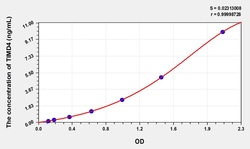
BIOHIPPO Human TIMD4 Microsample
Human TIMD4 Microsample ELISA Kit is a Sandwich-based immunoassay designed for the quantitative measurement of TIMD4 in tissue homogenates cell lysates and other biological fluids It provides a detection range of 0 16-10 ng/mL with a sensitivity of 0 057 ng/mL The assay can be completed in approximately 3 5h The procedure follows a The test principle applied in this kit is Sandwich enzyme immunoassay The microtiter plate provided in this kit has been pre-coated with an antibody specific to Human TIMD4 Standards or samples are added to the appropriate microtiter plate wells then with a biotin-conjugated antibody specific to Human TIMD4 Next Avidin conjugated to Horseradish Peroxidase (HRP) is added to each microplate well and incubated After TMB substrate solution is added only those wells that contain Human TIMD4 biotin-conjugated antibody and enzyme-conjugated Avidin will exhibit a change in color
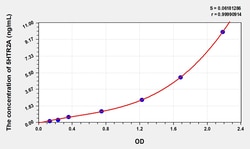
BIOHIPPO Human 5HTR2A Microsample
Human 5HTR2A Microsample ELISA Kit is a Sandwich-based immunoassay designed for the quantitative measurement of 5HTR2A in tissue homogenates cell lysates and other biological fluids It provides a detection range of 0 16-10 ng/mL with a sensitivity of 0 069 ng/mL The assay can be completed in approximately 3 5h The procedure follows a The test principle applied in this kit is Sandwich enzyme immunoassay The microtiter plate provided in this kit has been pre-coated with an antibody specific to Human 5HTR2A Standards or samples are added to the appropriate microtiter plate wells then with a biotin-conjugated antibody specific to Human 5HTR2A Next Avidin conjugated to Horseradish Peroxidase (HRP) is added to each microplate well and incubated After TMB substrate solution is added only those wells that contain Human 5HTR2A biotin-conjugated antibody and enzyme-conjugated Avidin will exhibit a change in color
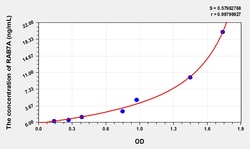
BIOHIPPO Human RAB7A Microsample
Human RAB7A Microsample ELISA Kit is a Sandwich-based immunoassay designed for the quantitative measurement of RAB7A in tissue homogenates cell lysates and other biological fluids It provides a detection range of 0 32-20 ng/mL with a sensitivity of 0 111 ng/mL The assay can be completed in approximately 3 5h The procedure follows a The test principle applied in this kit is Sandwich enzyme immunoassay The microtiter plate provided in this kit has been pre-coated with an antibody specific to Human RAB7A Standards or samples are added to the appropriate microtiter plate wells then with a biotin-conjugated antibody specific to Human RAB7A Next Avidin conjugated to Horseradish Peroxidase (HRP) is added to each microplate well and incubated After TMB substrate solution is added only those wells that contain Human RAB7A biotin-conjugated antibody and enzyme-conjugated Avidin will exhibit a change in color
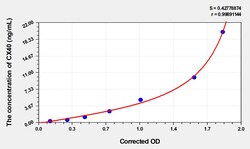
BIOHIPPO Human CX40 Microsample
Human CX40 Microsample ELISA Kit is a Sandwich-based immunoassay designed for the quantitative measurement of CX40 in Tissue homogenates and other biological fluids It provides a detection range of 0 32-20 ng/mL with a sensitivity of 0 121 ng/mL The assay can be completed in approximately 3 5h The procedure follows a The test principle applied in this kit is Sandwich enzyme immunoassay The microtiter plate provided in this kit has been pre-coated with an antibody specific to Human CX40 Standards or samples are added to the appropriate microtiter plate wells then with a biotin-conjugated antibody specific to Human CX40 Next Avidin conjugated to Horseradish Peroxidase (HRP) is added to each microplate well and incubated After TMB substrate solution is added only those wells that contain Human CX40 biotin-conjugated antibody and enzyme-conjugated Avidin will exhibit a change in color
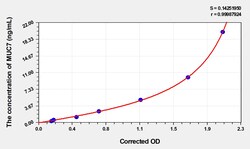
BIOHIPPO Human MUC7 Microsample
Human MUC7 Microsample ELISA Kit is a Sandwich-based immunoassay designed for the quantitative measurement of MUC7 in serum plasma saliva tissue homogenates and other biological fluids It provides a detection range of 0 32-20 ng/mL with a sensitivity of 0 123 ng/mL The assay can be completed in approximately 3 5h The procedure follows a The test principle applied in this kit is Sandwich enzyme immunoassay The microtiter plate provided in this kit has been pre-coated with an antibody specific to Human MUC7 Standards or samples are added to the appropriate microtiter plate wells then with a biotin-conjugated antibody specific to Human MUC7 Next Avidin conjugated to Horseradish Peroxidase (HRP) is added to each microplate well and incubated After TMB substrate solution is added only those wells that contain Human MUC7 biotin-conjugated antibody and enzyme-conjugated Avidin will exhibit a change in color
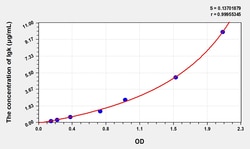
BIOHIPPO Human Igk Microsample
Human Igk Microsample ELISA Kit is a Sandwich-based immunoassay designed for the quantitative measurement of Igk in Serum plasma and other biological fluids It provides a detection range of 0 16-10 g/mL with a sensitivity of 0 07 g/mL The assay can be completed in approximately 3 5h The procedure follows a The test principle applied in this kit is Sandwich enzyme immunoassay The microtiter plate provided in this kit has been pre-coated with an antibody specific to Human Igk Standards or samples are added to the appropriate microtiter plate wells then with a biotin-conjugated antibody specific to Human Igk Next Avidin conjugated to Horseradish Peroxidase (HRP) is added to each microplate well and incubated After TMB substrate solution is added only those wells that contain Human Igk biotin-conjugated antibody and enzyme-conjugated Avidin will exhibit a change in color
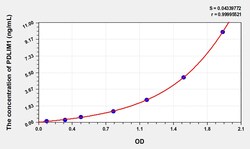
BIOHIPPO Human PDLIM1 Microsample
Human PDLIM1 Microsample ELISA Kit is a Sandwich-based immunoassay designed for the quantitative measurement of PDLIM1 in Tissue homogenates and other biological fluids It provides a detection range of 0 16-10 ng/mL with a sensitivity of 0 064 ng/mL The assay can be completed in approximately 3 5h The procedure follows a The test principle applied in this kit is Sandwich enzyme immunoassay The microtiter plate provided in this kit has been pre-coated with an antibody specific to Human PDLIM1 Standards or samples are added to the appropriate microtiter plate wells then with a biotin-conjugated antibody specific to Human PDLIM1 Next Avidin conjugated to Horseradish Peroxidase (HRP) is added to each microplate well and incubated After TMB substrate solution is added only those wells that contain Human PDLIM1 biotin-conjugated antibody and enzyme-conjugated Avidin will exhibit a change in color